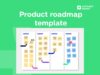
3 collaborative product roadmap templates that drive agile principles
Product owners are often faced with the challenge of communicating the product roadmap to different stakeholders. It is for this reason that we have created three easy to use roadmap templates each of which showcase the roadmap at different levels of granularity.
Guides
New board access requests and refreshed boards overview
You can choose to view your boards in a list or project view just like before, and filter based on boards shared with you or owned by you. The options for a board including the share, workflow, attachments, and settings can now be accessed from the three dot menu next…
Guides
How to foster a culture of innovation in distributed teams?
Fostering a culture of innovation is not always easy. Many experts agree that a key first step is ensuring that staff feel comfortable, safe, trusted and valued. So how do you do this through a computer screen? …
Guides
Seamlessly transition your agile team to remote with Conceptboard
With Conceptboard’s shared digital workspace, communication and co-creation can continue seamlessly, regardless of location. In fact, “when a whiteboard is thrown in and the teams work out design as a group, the communication bandwidth absolutely sizzles,” wrote Ken Schwaber, in The Enterprise and S…
Guides
6 easy ways to increase participation in your next virtual meeting
The differences between the physical and the virtual meeting environment mean that we have lost a lot. But the differences also mean that we have gained a lot that many of us have not yet tapped into. For example, simple, quick and easy ways to engage people and to keep…
Guides
Asynchronous collaboration: Why it’s important to collect feedback in context
If you are still operating in the world of email attachments with confusing naming conventions such as: product_design_2020_KB_final_final or constantly updating files in a shared Dropbox folder, it’s time to step into the future with a tool that will revolutionize your asynchronous collaboration.
You need to load content from hCaptcha to submit the form. Please note that doing so will share data with third-party providers.
You are currently viewing a placeholder content from Turnstile. To access the actual content, click the button below. Please note that doing so will share data with third-party providers.